Author: contributor

From Bondage to Breakthrough: Christ-Centered Recovery from Drug Dependency
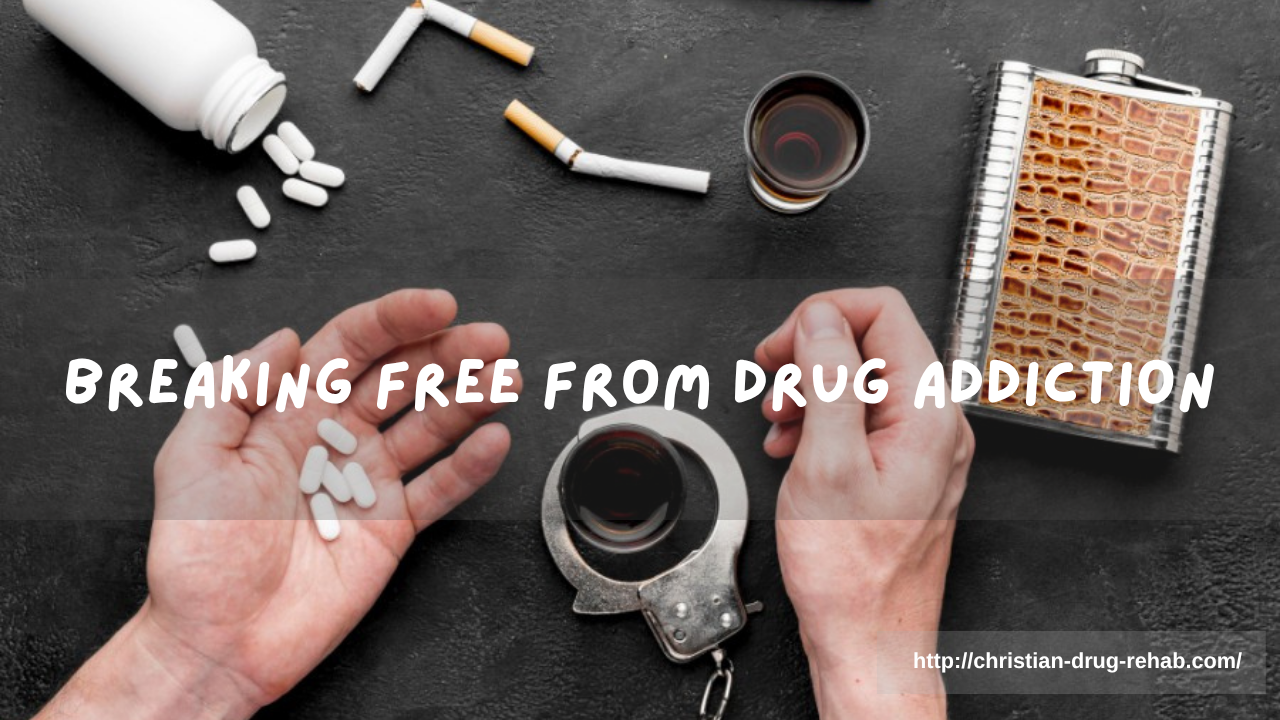
Breaking free from drug addiction is one of the hardest journeys a person can take, but it’s also one of the most transformative. For those who are searching not just for sobriety but for total healing—mind, body, and spirit—a Christ-centered recovery offers a powerful path to restoration. At Christian Drug Rehab, individuals find a compassionate, faith-based environment where addiction is treated not just as a medical issue but as a spiritual battle, and recovery is rooted in the grace and truth of Jesus Christ.

Why Faith-Based Addiction Recovery Works

Addressing the Root Cause

Drug dependency is often the result of deep emotional pain, trauma, or spiritual emptiness. Traditional rehab models may focus on behavioral change, but a Christ-centered approach dives deeper—seeking to heal the soul as well. Through prayer, biblical counseling, and spiritual mentorship, clients begin to understand the core issues that have fueled their addiction.

A Foundation of Hope and Grace

Christ offers a promise that no secular program can: complete forgiveness and a new identity. At Christian Drug Rehab, clients are reminded daily that they are not defined by their past mistakes. They are sons and daughters of God, capable of change and worthy of love. This message of grace helps break the shame and guilt that often keep people stuck in the cycle of addiction.

Comprehensive Care for Lasting Transformation

Inpatient and Outpatient Options

Whether someone needs the structure of inpatient care or the flexibility of outpatient support, the programs at Christian Drug Rehab are tailored to meet each person’s unique needs. Inpatient programs provide a safe, structured environment where clients can disconnect from triggers and focus fully on their healing. Outpatient services offer continued support for those transitioning back into daily life while still prioritizing their recovery.

Mental Health Treatment That Aligns with Faith

Many who struggle with addiction also face co-occurring mental health challenges such as depression, anxiety, or PTSD. Christian Drug Rehab integrates clinical therapies like cognitive behavioral therapy (CBT) and trauma-informed care with biblical principles, ensuring that emotional and psychological healing align with spiritual renewal.

Holistic Healing: Mind, Body, Spirit

Addiction affects every aspect of a person’s life. That’s why Christian Drug Rehab provides holistic care that nourishes the whole person. This includes physical wellness through nutrition and fitness, mental clarity through therapy, and spiritual growth through Bible study, worship, and community fellowship.

Personalized, Client-Centered Recovery

Every individual’s story is different, which is why cookie-cutter treatment plans fall short. At Christian Drug Rehab, recovery plans are personalized, taking into account the client’s history, goals, and spiritual needs. This individualized approach builds trust and increases the likelihood of long-term success.

Walking in Freedom with Christ

The road to recovery is not easy, but with Christ, it is possible. Philippians 4:13 reminds us: “I can do all things through Christ who strengthens me.” Clients at Christian Drug Rehab don’t walk alone. They are surrounded by professionals, peers, and a community rooted in faith who support them every step of the way.

Take the First Step Today

If you or someone you love is struggling with drug addiction, know that healing is possible. At Christian Drug Rehab, hope is restored, chains are broken, and lives are transformed by the power of God’s love. Reach out today to begin your journey from bondage to breakthrough. You don’t have to do this alone. There is a place where faith meets healing—and your new life can start now.

Continue Reading

Breaking Free Through Grace: A Biblical Journey to Overcome Addiction

Addiction is a heavy burden, often leaving individuals feeling trapped, hopeless, and unworthy of love or redemption. However, the Bible teaches us that God’s grace is greater than any sin or struggle. Through His grace, anyone can break free from the chains of addiction and embark on a journey toward lasting freedom and restoration.

Understanding God’s Grace

Grace is the unmerited favor and love of God. It is not something earned, but a gift freely given to all who believe in Jesus Christ. Ephesians 2:8-9 says, “For it is by grace you have been saved, through faith—and this is not from yourselves, it is the gift of God—not by works, so that no one can boast.”

For those battling addiction, grace offers hope. It means that no matter how many times a person has fallen, God’s love and forgiveness remain constant. This assurance provides the foundation for healing and transformation.

Confession and Repentance

The first step in breaking free from addiction is acknowledging the problem and turning to God in repentance. 1 John 1:9 promises, “If we confess our sins, he is faithful and just and will forgive us our sins and purify us from all unrighteousness.”

Confession is not about condemnation—it’s about bringing struggles into the light so that God can heal them. Repentance involves a sincere decision to turn away from addiction and turn toward a new life in Christ.

Relying on God’s Strength

Overcoming addiction is not a battle that can be won through human willpower alone. Philippians 4:13 declares, “I can do all things through Christ who strengthens me.” God provides the strength needed to resist temptation and build new, healthy habits.

Daily prayer, Scripture reading, and reliance on the Holy Spirit equip believers with the spiritual resources they need to continue their journey of recovery.

Renewing the Mind

Addiction often warps a person’s thinking and leads to negative patterns of thought and behavior. Romans 12:2 urges, “Do not conform to the pattern of this world, but be transformed by the renewing of your mind.” By meditating on God’s Word, individuals can replace lies and destructive beliefs with biblical truth.

This mental and spiritual renewal is a vital part of the recovery process. It helps individuals see themselves through God’s eyes—as beloved, forgiven, and capable of change.

Walking in Community

Recovery is not meant to happen in isolation. James 5:16 says, “Therefore confess your sins to each other and pray for each other so that you may be healed.” Support from a faith-based community offers encouragement, accountability, and companionship.

Church groups, Christian recovery programs, and trusted friends provide a network of people who will walk alongside those in recovery, celebrating victories and offering support during setbacks.

Living in Grace and Freedom

God’s grace is not only about forgiveness—it’s about empowerment. Titus 2:11-12 tells us, “For the grace of God has appeared that offers salvation to all people. It teaches us to say ‘No’ to ungodliness and worldly passions, and to live self-controlled, upright and godly lives in this present age.”

Through grace, addiction can be overcome. With faith, community, and God’s constant love, anyone can experience the freedom that Christ offers—a life of hope, healing, and purpose.

Continue Reading

Chains Broken, Faith Restored: Finding Freedom from Addiction in Christ

Addiction is a powerful force that can shatter lives and dim hope. Whether it’s drugs, alcohol, or any other vice, addiction chains people to destructive patterns and steals their sense of identity and purpose. But through Jesus Christ, there is a way out. In Him, chains are broken, faith is restored, and lives are made new.

Acknowledging the Chains

Before freedom can be found, the reality of addiction must be faced. Many feel ashamed or hopeless, believing they are too far gone. But the truth is that no one is beyond the reach of God’s grace. Romans 3:23 tells us, “For all have sinned and fall short of the glory of God.” Acknowledging our brokenness is not a sign of failure—it’s the beginning of healing.

The Power of the Cross

At the heart of the Christian faith is the message of redemption. Jesus came not only to forgive sin but to break the power of bondage. Isaiah 61:1 declares, “He has sent me to bind up the brokenhearted, to proclaim freedom for the captives and release from darkness for the prisoners.” On the cross, Jesus bore our burdens so that we could walk in freedom.

Through His death and resurrection, believers are given the power to overcome addiction. Galatians 5:1 proclaims, “It is for freedom that Christ has set us free. Stand firm, then, and do not let yourselves be burdened again by a yoke of slavery.” In Christ, we are no longer defined by our past or our struggles—we are free.

Restoring Faith and Identity

Addiction often robs people of their sense of self-worth and identity. But God restores what was lost. 2 Corinthians 5:17 reminds us, “Therefore, if anyone is in Christ, the new creation has come: The old has gone, the new is here!” In Jesus, our identity is no longer rooted in our failures but in His victory.

As faith is restored, so is the ability to hope, dream, and live with purpose. Daily time in Scripture, prayer, and worship deepens this renewed relationship with God and builds spiritual resilience.

Walking in Community and Accountability

Freedom is not meant to be walked out alone. God designed the church as a place of healing and support. James 5:16 encourages, “Confess your sins to each other and pray for each other so that you may be healed.” Community offers strength, accountability, and encouragement.

Faith-based recovery groups, Christian counseling, and small group ministries provide safe spaces to share struggles and celebrate victories. In these communities, brokenness meets grace, and lives are transformed.

Living in Lasting Freedom

Freedom in Christ is not just a one-time event—it is a lifelong journey of trust and transformation. As we walk daily with God, He continues to heal, guide, and empower. Philippians 1:6 assures us, “He who began a good work in you will carry it on to completion until the day of Christ Jesus.”

In Jesus, the chains of addiction can be broken, and a new life full of hope and purpose can begin. Through faith, community, and God’s unending grace, freedom is not only possible—it is promised.

Continue Reading

The Role of the Church in Supporting Christians Battling Addiction

Addiction is a struggle that touches every community, including the church. For Christians battling addiction, the church can play a critical role in providing hope, healing, and support. As the body of Christ, the church is called to reflect God’s love, offer practical help, and walk alongside those seeking recovery.

A Place of Compassion and Grace

The church should be a sanctuary where those struggling with addiction feel safe, loved, and accepted. Galatians 6:2 instructs, “Carry each other’s burdens, and in this way you will fulfill the law of Christ.” Rather than judging or condemning, the church is called to show the compassion of Jesus, recognizing that addiction is often rooted in deep pain, trauma, or brokenness. Through sermons, small groups, and pastoral care, the church can communicate God’s grace and the message that no one is beyond His redemption.

Providing Spiritual Guidance

Addiction recovery is not just a physical or emotional battle—it is also a spiritual one. The church can guide believers to draw strength from God’s Word and prayer. Regular teaching on topics like forgiveness, identity in Christ, and spiritual warfare can equip individuals to face addiction with biblical truth. James 5:16 encourages believers to “confess your sins to each other and pray for each other so that you may be healed.” Through prayer meetings, discipleship, and counseling, the church helps members seek God’s power in their recovery journey.

Creating Accountability and Support Systems

Overcoming addiction requires accountability and encouragement. The church can provide both through small groups, mentorship programs, and recovery ministries such as Celebrate Recovery or other faith-based support networks. Ecclesiastes 4:9-10 reminds us, “Two are better than one… If either of them falls down, one can help the other up.” These relationships can be lifelines for those tempted to relapse or who feel overwhelmed by their struggles.

Meeting Practical Needs

In addition to spiritual support, the church can assist with practical needs that often accompany addiction recovery. This might include helping someone find housing, employment, medical care, or access to rehabilitation programs. By partnering with local organizations and professionals, churches can connect members with the resources they need to rebuild their lives.

Promoting a Culture of Hope and Restoration

Finally, the church can be a beacon of hope. By sharing testimonies of transformation and celebrating milestones in recovery, the church demonstrates that healing is possible. 2 Corinthians 5:17 declares, “If anyone is in Christ, the new creation has come: The old has gone, the new is here!” This message of renewal can inspire and motivate those on the path to recovery.

In every way, the church is uniquely positioned to support Christians battling addiction—offering a community where they can experience God’s love, find encouragement, and walk in freedom through Christ.

Continue Reading

Walking in Freedom: How Scripture Can Guide You Through Addiction Recovery

Addiction is a heavy burden, one that can chain individuals to a life of pain, regret, and despair. But in Christ, there is hope and freedom. God’s Word is a powerful guide for anyone seeking to break free from addiction and walk in lasting recovery. Through Scripture, believers find truth, strength, and direction for the journey toward healing.

The Word of God as a Lamp

The Bible is more than just a book—it is the living Word of God. Psalm 119:105 declares, “Your word is a lamp for my feet, a light on my path.” For those navigating the darkness of addiction, Scripture provides clarity, guidance, and reassurance. God’s Word helps illuminate the root causes of addiction and reveals the steps toward healing and restoration.

Reading and meditating on Scripture allows individuals to replace the lies of addiction with the truth of God’s promises. It becomes a spiritual compass, pointing the way to freedom.

Renewing the Mind with Truth

Addiction often stems from and feeds on destructive thought patterns. Romans 12:2 teaches, “Do not conform to the pattern of this world, but be transformed by the renewing of your mind.” Through consistent exposure to Scripture, individuals can retrain their thoughts and align their minds with God’s truth.

Memorizing and internalizing key verses can be a powerful defense against temptation. Verses such as 1 Corinthians 10:13, which reminds us that God will provide a way out of every temptation, serve as anchors of hope during moments of weakness.

Strengthening Identity in Christ

One of the most damaging effects of addiction is the loss of identity. Many who struggle with substance abuse begin to see themselves only through the lens of failure. However, Scripture reminds us of who we truly are in Christ. 2 Corinthians 5:17 states, “If anyone is in Christ, the new creation has come: The old has gone, the new is here!”

By embracing their identity as beloved children of God, those in recovery can rebuild their self-worth and live with renewed purpose. The Bible affirms that no one is beyond redemption and that God’s grace is sufficient.

Finding Strength for the Journey

Recovery is not a one-time event—it is a lifelong journey that requires perseverance. Philippians 4:13 offers encouragement: “I can do all things through Christ who strengthens me.” When recovery feels difficult, Scripture reminds us that we are not alone. God’s strength is made perfect in our weakness (2 Corinthians 12:9).

Prayerfully reading the Bible each day builds spiritual stamina and deepens faith, equipping individuals to overcome challenges with God’s help.

Living in Lasting Freedom

John 8:36 proclaims, “So if the Son sets you free, you will be free indeed.” True freedom comes not just from abstaining from substance use but from living a life rooted in God’s truth. Scripture is a constant companion on the road to recovery, offering hope, wisdom, and peace.

Walking in freedom is possible—and through the guidance of God’s Word, anyone can take those steps with confidence and grace.

Continue Reading

The Power of Prayer in Addiction Recovery: Strengthening Your Faith for Healing

Addiction is a powerful force that can isolate, destroy, and enslave. But for Christians, there is a deeper power available—one that brings hope, strength, and healing: the power of prayer. In the journey of addiction recovery, prayer is not just a religious practice; it is a lifeline that connects us to the source of true transformation—God Himself.

Prayer as a Path to God’s Presence

In the midst of addiction, it’s easy to feel far from God. Shame, guilt, and brokenness can create a sense of spiritual distance. But prayer bridges that gap. James 4:8 reminds us, “Draw near to God, and He will draw near to you.” Prayer opens the heart to God’s presence, inviting Him to work in areas we cannot fix on our own. It’s in these moments of honest surrender that healing begins.

Finding Strength Through Prayer

Recovery from addiction is not a one-time decision—it’s a daily battle. Some days feel overwhelming, and the temptation to relapse can be strong. That’s why prayer is essential. Philippians 4:6-7 encourages us: “Do not be anxious about anything, but in every situation, by prayer and petition, with thanksgiving, present your requests to God. And the peace of God… will guard your hearts and your minds in Christ Jesus.”

Through prayer, believers can exchange anxiety for peace, weakness for strength, and fear for faith. God listens, responds, and empowers His children to keep moving forward, even when the road is tough.

Confession and Cleansing

Addiction often brings with it deep regret and shame. Prayer offers a path to cleansing and renewal. 1 John 1:9 assures us, “If we confess our sins, He is faithful and just and will forgive us our sins and purify us from all unrighteousness.” Confession through prayer frees the soul from the weight of guilt and opens the door for grace and healing.

Honest conversations with God, where struggles and failures are laid bare, are met with compassion and mercy. This kind of prayer strengthens faith and builds trust in God’s unwavering love.

Praying with Others

There is great power in communal prayer. Matthew 18:20 says, “For where two or three gather in my name, there am I with them.” Joining with others in prayer—whether in a support group, church setting, or with trusted friends—creates a sense of unity and shared strength.

Community prayer encourages accountability, provides comfort, and invites the Holy Spirit to move in powerful ways. It also reminds those in recovery that they are not alone.

Continual Communication with God

Prayer doesn’t have to be long or formal. God welcomes every word, every cry for help, and every moment of gratitude. 1 Thessalonians 5:17 says simply, “Pray without ceasing.” Making prayer a constant habit—throughout the day and in every circumstance—keeps hearts aligned with God and focused on healing.

In addiction recovery, prayer is more than a ritual—it is a powerful weapon against darkness. By strengthening faith and inviting God’s presence into the process, prayer helps transform brokenness into wholeness. Through prayer, every person struggling with addiction can find renewed hope, peace, and the strength to walk in freedom.

Continue Reading

Faith in Recovery: How Christians Can Overcome Drug Addiction Through God’s Grace

Drug addiction is a battle that affects millions of people, including devoted Christians. For believers struggling with addiction, recovery is not just about breaking a physical dependence; it is also a spiritual journey toward restoration and healing. The good news is that through faith in Jesus Christ, individuals can find the strength, hope, and grace needed to overcome addiction and reclaim their lives.

Recognizing the Problem and Seeking Help

The first step toward recovery is acknowledging the problem. Many Christians struggling with addiction may feel shame or guilt, believing they have failed God. However, the Bible reminds us that all have sinned and fallen short of God’s glory (Romans 3:23). Addiction is not a sign of weakness but rather a condition that requires healing—physically, mentally, and spiritually. Seeking help from a pastor, Christian counselor, or faith-based recovery program is an essential step in the journey.

Relying on God’s Strength

Overcoming addiction requires more than willpower—it demands reliance on God’s strength. Philippians 4:13 states, “I can do all things through Christ who strengthens me.” This promise reassures believers that they are not alone in their struggle. Through prayer, fasting, and meditating on God’s Word, Christians can develop a deeper dependence on Him, allowing His grace to provide the strength necessary for recovery.

The Power of Prayer and Scripture

Prayer is a powerful tool in the recovery process. Regular communication with God provides peace, guidance, and encouragement. Scripture also plays a vital role in renewing the mind and spirit. Verses such as 2 Corinthians 12:9—”My grace is sufficient for you, for my power is made perfect in weakness”—remind believers that God’s grace is always available, even in the darkest moments.

Meditating on verses about God’s love, forgiveness, and restoration can help replace negative thoughts and reinforce the truth that He is always ready to lift His children up. Psalm 34:18 says, “The Lord is close to the brokenhearted and saves those who are crushed in spirit.” This verse serves as a reminder that God’s presence is near, offering healing and comfort.

The Role of the Church and Christian Community

Healing from addiction should not be a journey taken alone. The church and Christian community play a crucial role in supporting those in recovery. Through accountability partners, small group Bible studies, and Christ-centered recovery programs like Celebrate Recovery, believers can find encouragement, wisdom, and companionship on their path to healing.

Galatians 6:2 teaches, “Carry each other’s burdens, and in this way, you will fulfill the law of Christ.” Having a strong support system allows Christians to stay accountable, share their struggles, and celebrate victories together.

Walking in Freedom and Purpose

God’s grace not only forgives but also restores and empowers. Once free from addiction, believers can embrace their God-given purpose and use their testimony to inspire and help others. 2 Corinthians 5:17 declares, “Therefore, if anyone is in Christ, the new creation has come: The old has gone, the new is here!”

Through faith, prayer, and the unwavering grace of God, Christians can overcome addiction and walk in the freedom and victory that Christ has provided. Recovery is possible, and with God’s help, a transformed life awaits.

Continue Reading

Finding Redemption: Stories of Christians Who Beat Drug Addiction

Drug addiction is a powerful and often overwhelming battle, but for many Christians, it has also become the backdrop for stories of redemption, hope, and transformation. Through faith, determination, and support from their communities, countless individuals have overcome the grip of addiction and discovered a renewed sense of purpose. Their testimonies serve as a source of inspiration, demonstrating the life-changing power of God’s grace and love.

A Journey from Darkness to Light

For many Christians, addiction feels like a descent into darkness. It can rob individuals of their sense of self-worth, alienate them from their loved ones, and challenge their faith. However, these struggles often become the starting point for remarkable stories of redemption.

Take, for example, Sarah, who battled a decade-long addiction to opioids after a car accident left her dependent on prescription painkillers. At her lowest point, Sarah found herself homeless and estranged from her family. One night, sitting outside a shelter, she prayed for the first time in years, asking God for help. That prayer marked the beginning of her journey to recovery.

Through the support of a local church and a Christian recovery program, Sarah not only overcame her addiction but also rediscovered her faith. Today, she works as a counselor, helping others find the same hope and healing she experienced. “God didn’t just save me from my addiction,” Sarah shares. “He gave me a new purpose and a new life.”

The Role of Faith in Recovery

Faith plays a central role in the recovery journeys of many Christians. It provides a source of hope, strength, and direction in moments of doubt or struggle. For some, encountering God’s love and forgiveness is the turning point that inspires them to seek help and begin the recovery process.

John’s story is a testament to this transformative power. After years of battling alcoholism, he reached a breaking point when his wife left him and he lost his job. He attended a church service at the invitation of a friend, where he heard a sermon about God’s unconditional love. “For the first time, I felt like I wasn’t beyond saving,” John recalls.

Encouraged by his newfound faith, John joined a Celebrate Recovery group, where he found a supportive community and practical tools for overcoming addiction. With God’s help, he rebuilt his life and now serves as a mentor to others in recovery.

Community and Accountability

The church community often plays a crucial role in the redemption stories of Christians recovering from addiction. Support groups, pastoral counseling, and accountability partners provide encouragement and practical assistance during the recovery process.

Martha, who struggled with methamphetamine addiction, credits her church community with helping her stay on the path to sobriety. “I couldn’t have done it alone,” she says. “The people in my church prayed for me, encouraged me, and held me accountable when I felt like giving up.”

The Message of Redemption

The stories of Christians who have overcome addiction highlight a common theme: redemption is always possible. No matter how far someone has fallen, God’s grace is sufficient to lift them out of their struggles and guide them to a new life.

These testimonies remind us that recovery is not just about breaking free from addiction but about embracing a life of purpose, faith, and joy. They stand as living proof that with God’s help, anyone can find redemption and experience a life transformed by His love.

Continue Reading

How the Church Can Support Members Battling Substance Abuse

Substance abuse is a growing concern that affects individuals from all walks of life, including members of Christian communities. The church has a vital role to play in supporting individuals who are struggling with addiction, offering not only spiritual guidance but also practical support and a sense of community. By fostering an environment of compassion, understanding, and grace, the church can become a place of healing and recovery for those facing this difficult battle.

Creating a Judgment-Free Environment

One of the most important ways the church can support individuals battling substance abuse is by creating a judgment-free environment. Addiction often carries a heavy stigma, and many people fear being judged or shamed for their struggles. This can prevent them from seeking help or being open about their challenges. The church, however, is called to embody Christ’s love and compassion. By promoting understanding rather than judgment, church leaders and members can create a safe space where individuals feel comfortable seeking support without fear of condemnation.

Providing Spiritual Support

For Christians facing substance abuse, spiritual support is often a crucial part of their recovery journey. The church can play a central role in this by offering prayer, pastoral counseling, and spiritual mentorship. Through these avenues, individuals can find hope, comfort, and encouragement, drawing on their faith to overcome addiction. Bible studies and sermons that emphasize themes of redemption, healing, and God’s unconditional love can also inspire individuals to believe in their ability to recover and experience transformation through Christ.

Moreover, integrating scripture that emphasizes healing and God’s strength can be highly encouraging. Verses such as 1 Peter 5:7, “Cast all your anxiety on Him because He cares for you,” remind those struggling that they are not alone in their battles. These reminders can offer strength and perseverance during the recovery process.

Fostering Community and Accountability

Community and accountability are key components in addiction recovery, and the church is uniquely positioned to provide both. Small groups, recovery ministries, and fellowship opportunities create a sense of belonging that is essential for healing. Isolation often fuels addiction, but through genuine relationships within the church, individuals can experience connection and support. Recovery-focused ministries like Celebrate Recovery provide a safe space for people to share their stories, receive encouragement, and hold one another accountable.

Accountability is also critical in recovery. Trusted church members can serve as accountability partners, helping individuals stay committed to their sobriety goals and providing encouragement during difficult times. Having a community of believers who understand and care deeply about their journey can make a significant difference in long-term recovery.

Offering Practical Resources

In addition to spiritual and emotional support, churches can provide practical resources to help individuals in their recovery process. This can include offering referrals to professional counselors, addiction treatment programs, and healthcare providers who specialize in addiction recovery. Churches can also host workshops and seminars on addiction awareness, mental health, and coping strategies, helping individuals and their families better understand the complexities of addiction.

Additionally, churches can partner with local organizations to provide resources such as housing assistance, food, and employment opportunities for those in recovery. By addressing the practical needs of those battling addiction, the church can help remove barriers that may hinder the recovery process.

Promoting Forgiveness and Grace

One of the most powerful messages the church can offer to those struggling with addiction is the message of forgiveness and grace. Addiction often comes with feelings of guilt, shame, and self-condemnation. The church can provide a place where individuals learn to embrace God’s forgiveness and extend grace to themselves. By emphasizing that recovery is a journey, and setbacks do not define their worth in God’s eyes, the church can help individuals move forward with hope and determination.

Conclusion

The church has a significant role in supporting individuals battling substance abuse. By fostering a compassionate, judgment-free environment, providing spiritual and practical support, and promoting accountability and community, churches can become havens of healing and transformation for those facing addiction. As the body of Christ, the church is uniquely equipped to walk alongside individuals on their recovery journey, offering hope, grace, and the power of God’s love.

Continue Reading

Faith-Based Approaches to Overcoming Drug Addiction

Drug addiction is a profound challenge that affects countless individuals and their families. For Christians facing this struggle, faith-based approaches can offer a powerful path to recovery, intertwining spiritual beliefs with practical strategies to overcome addiction. These approaches leverage the strength of faith, community, and the teachings of Christianity to support healing and transformation.

The Role of Faith in Recovery

Faith plays a pivotal role in the recovery process. For many Christians, belief in God’s power and grace provides a foundation of hope and resilience. The Bible offers numerous passages that encourage strength and perseverance. Scriptures such as Philippians 4:13, “I can do all things through Christ who strengthens me,” inspire individuals to believe in their capacity to overcome challenges. This spiritual belief system can help individuals find purpose and motivation in their journey to sobriety.

The Importance of Prayer and Scripture

Prayer and scripture are integral to faith-based recovery programs. Regular prayer can help individuals seek divine guidance, strength, and comfort. Many Christians find that engaging in daily prayer helps them stay focused on their goals and manage cravings. Furthermore, meditating on Bible verses that emphasize healing, redemption, and renewal can provide encouragement and reassurance. Psalms 34:17-18, which speaks of God being close to the brokenhearted, can be particularly comforting for those in recovery.

Community Support: The Power of Fellowship

The Christian community plays a crucial role in addiction recovery. Church groups, support groups, and faith-based counseling services offer a network of support and accountability. Engaging with a church community provides a sense of belonging and reduces feelings of isolation, which are common among those struggling with addiction. Fellowship groups, such as Celebrate Recovery, combine Christian principles with a 12-step program, creating a supportive environment where individuals can share their struggles and triumphs.

Integrating Spiritual and Practical Strategies

A faith-based approach to recovery integrates both spiritual and practical strategies. While spiritual practices provide emotional and psychological support, practical steps are also essential. These may include seeking professional counseling, attending addiction recovery meetings, and developing a healthy lifestyle. Many faith-based recovery programs emphasize the importance of addressing the root causes of addiction, such as unresolved trauma or mental health issues, alongside spiritual healing.

The Role of Forgiveness and Redemption

Forgiveness and redemption are central themes in Christianity that offer hope for those struggling with addiction. Many individuals find that understanding God’s forgiveness allows them to forgive themselves and move forward from past mistakes. The concept of redemption, the idea that one can be restored and transformed, is particularly powerful. It reinforces the belief that recovery is not only possible but that individuals can emerge from their struggles renewed and stronger.

Challenges and Considerations

While faith-based approaches can be highly effective, they are not without challenges. It is essential for those in recovery to seek a balanced approach that includes professional medical and psychological support alongside spiritual guidance. Integrating faith with evidence-based practices ensures a comprehensive treatment plan that addresses all aspects of addiction.

Conclusion

Faith-based approaches to overcoming drug addiction offer a holistic path to recovery for many Christians. By combining spiritual practices, community support, and practical strategies, individuals can find strength and resilience in their journey towards sobriety. Embracing faith as a central component of recovery not only fosters hope and motivation but also provides a framework for long-term healing and personal growth.

Continue Reading