Month: January 2026

From Shame to Redemption: Real‑World Encouragement for Christians Facing Addiction

For many Christians struggling with drug addiction, shame can feel overwhelming. The weight of guilt and the fear of judgment may prevent individuals from seeking the help they need. Yet addiction is not a reflection of moral failure or lack of faith. It is a complex condition that affects the body, mind, and spirit. Recovery is possible, and through compassionate, faith-centered support, individuals can move from shame to redemption and reclaim their lives.

Understanding Addiction Through a Compassionate Lens

Addiction often carries a social and spiritual stigma that can intensify feelings of isolation and self-blame. Christians facing substance abuse may struggle with questions about their faith, morality, and worthiness. Recognizing addiction as a medical condition rather than a moral shortcoming is the first step toward healing. With this perspective, individuals can approach recovery with honesty, self-compassion, and a renewed sense of hope.

The Role of Faith in Overcoming Shame

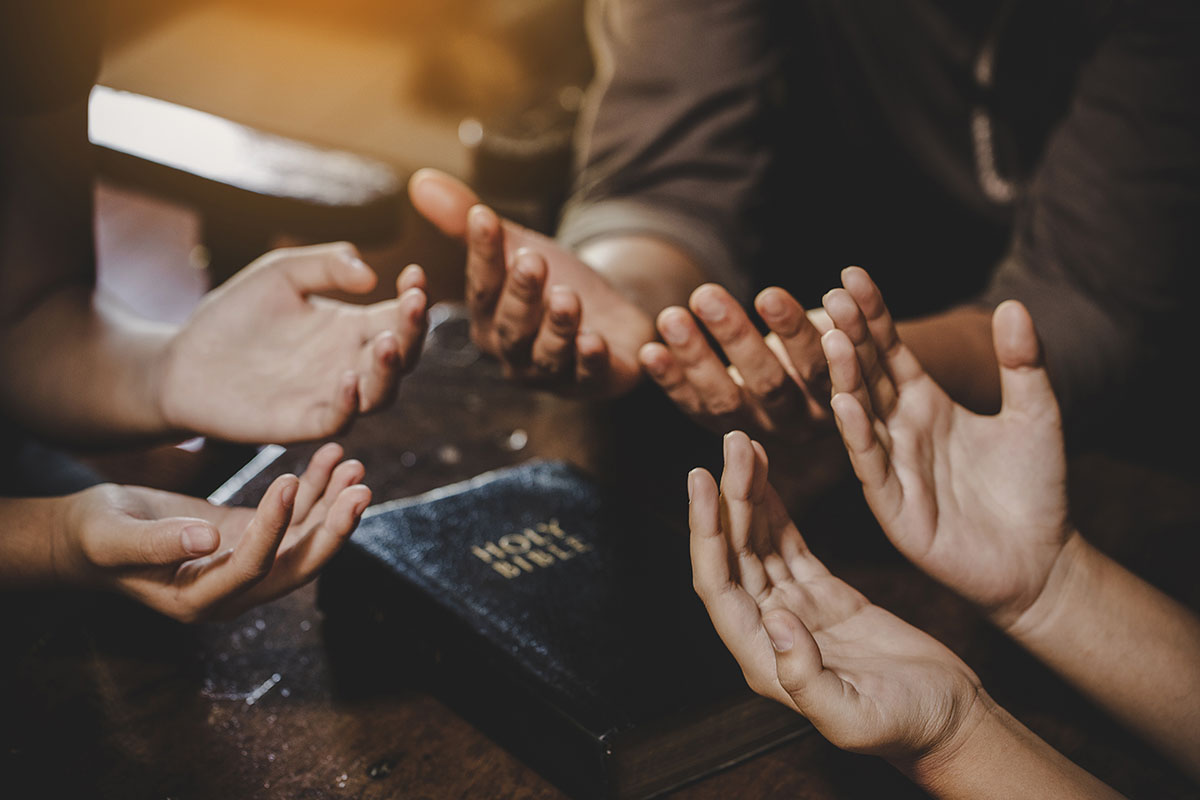
Faith can be a powerful source of encouragement in recovery. Prayer, scripture study, and participation in a supportive faith community provide emotional strength and spiritual grounding. For many, reconnecting with God fosters a sense of purpose and resilience, allowing individuals to face challenges with courage. Faith-centered recovery helps transform feelings of shame into opportunities for spiritual growth and self-forgiveness.

How Christian Rehab Supports Lasting Recovery

Christian Drug Rehab integrates professional addiction treatment with holistic, faith-based approaches to support lasting sobriety. Their comprehensive programs include:

  • Inpatient Treatment: Structured residential care provides a safe and focused environment for intensive recovery, medical supervision, and spiritual support.
  • Outpatient Programs: Flexible options allow individuals to receive therapy, counseling, and medical care while maintaining work, school, or family responsibilities.
  • Mental Health Treatment: Co-occurring disorders such as depression, anxiety, or trauma are addressed alongside addiction to ensure a holistic approach to healing.
  • Holistic Care: Nutrition, exercise, mindfulness practices, and spiritual guidance help restore balance to the mind, body, and spirit.

Personalized Recovery Plans

No two recovery journeys are the same. Christian Drug Rehab creates individualized treatment plans tailored to each person’s needs, history, and spiritual goals. This approach ensures that therapy, counseling, and faith-based support work together to build coping skills, strengthen relationships, and reinforce long-term sobriety.

Practical Steps for Moving from Shame to Redemption

  1. Acknowledge the Struggle: Recognizing addiction as a disease and accepting the need for help is the first step toward freedom.
  2. Seek Professional Support: Licensed counselors and medical staff provide structured guidance and treatment tailored to your unique situation.
  3. Engage in Spiritual Practices: Daily prayer, meditation, and scripture reading reinforce emotional resilience and provide a sense of purpose.
  4. Build a Supportive Community: Family, mentors, and faith-based groups offer encouragement, accountability, and hope throughout the recovery process.
  5. Commit to Holistic Wellness: Balanced nutrition, exercise, and mindfulness complement therapy and support long-term recovery.

Redemption Is Possible

Shame does not define your future, and addiction does not have to determine your life. With compassionate care, evidence-based treatment, and faith-centered guidance, Christians struggling with drug addiction can experience true transformation. Christian Drug Rehab offers the tools, support, and spiritual framework needed to move from shame to redemption, restore relationships, and embrace a renewed life. Reaching out today is the first step toward healing, hope, and lasting recovery.

Continue Reading

Integrating Spiritual Strength with Clinical Care: How Christian Rehab Supports Lasting Sobriety

Recovery from drug addiction is a journey that touches every part of a person’s life: physical, mental, and spiritual. For Christians struggling with substance abuse, integrating faith with professional treatment can provide a powerful foundation for lasting sobriety. Christian Drug Rehab combines compassionate clinical care with faith-centered guidance, offering individualized programs designed to restore hope, health, and spiritual connection.

Why Combining Spiritual and Clinical Care Matters

Addiction is a complex disease that affects the brain, body, and behavior. While professional treatment addresses the physical and psychological aspects of substance abuse, spiritual guidance provides emotional support and a sense of purpose. For many Christians, reconnecting with faith can be a source of motivation, resilience, and accountability throughout recovery. Integrating these approaches ensures that healing is comprehensive, addressing both immediate needs and long-term growth.

The Role of Faith in Recovery

Faith is more than a comfort; it is a practical tool for overcoming addiction. Practices such as prayer, meditation, and participation in a supportive faith community help individuals cope with triggers, reduce stress, and cultivate hope. Spiritual guidance reinforces the recovery process by helping individuals develop a sense of meaning and direction beyond the challenges of addiction. At Christian Drug Rehab, faith-based care is incorporated into every aspect of treatment to support both emotional and spiritual well-being.

Clinical Care That Supports Lasting Sobriety

Christian Drug Rehab provides a full spectrum of clinical services that complement spiritual guidance. These include:

  • Inpatient Treatment: Residential programs offer a structured, safe environment for individuals to focus entirely on recovery while receiving constant medical supervision and counseling.
  • Outpatient Programs: Flexible treatment options allow clients to continue daily responsibilities while accessing therapy, support groups, and medical care.
  • Mental Health Treatment: Many individuals with addiction face co-occurring disorders such as anxiety, depression, or trauma. Integrated mental health care ensures that these underlying conditions are addressed alongside substance use.
  • Holistic Approaches: Nutrition, exercise, mindfulness, and spiritual practices help restore balance and support long-term wellness.

Individualized Treatment Plans

Every recovery journey is unique. Christian Drug Rehab designs individualized treatment plans that account for each client’s medical history, spiritual needs, and personal goals. This personalized approach helps clients develop practical coping strategies, rebuild self-esteem, and strengthen their relationship with God, family, and community.

Practical Steps to Integrate Faith and Treatment

  1. Engage Fully in Treatment: Commit to therapy, counseling, and any prescribed medical care to address the physical and psychological aspects of addiction.
  2. Incorporate Daily Spiritual Practices: Prayer, scripture reflection, and meditation reinforce recovery and provide emotional strength.
  3. Participate in a Faith Community: Building supportive connections with others who share your beliefs fosters accountability and encouragement.
  4. Adopt Holistic Habits: Exercise, proper nutrition, and mindfulness help maintain balance and reduce relapse risk.
  5. Seek Ongoing Support: Long-term recovery is strengthened by follow-up care, mentorship, and continuous spiritual guidance.

Achieving Lasting Sobriety Through Faith and Care

Christian Drug Rehab demonstrates that lasting sobriety is most achievable when spiritual strength is combined with expert clinical care. By addressing the mind, body, and spirit, individuals are equipped with the tools to overcome addiction, restore relationships, and deepen their faith. If you or a loved one is struggling with substance abuse, reaching out today is the first step toward hope, healing, and a renewed life in recovery.

Continue Reading

When Faith and Struggle Collide: Practical Steps for Christians Battling Drug Addiction

Drug addiction can leave individuals feeling trapped between their struggles and their faith. Many Christians facing substance abuse wrestle with guilt, shame, and spiritual confusion, often believing that their faith alone should protect them from addiction. Yet, addiction is a complex condition that affects the body, mind, and spirit. Recovery is not a failure of faith; it is a courageous step toward restoration. At Christian Drug Rehab, compassionate, faith-centered care blends spiritual guidance with clinical treatment to help individuals navigate these challenges and find hope.

Understanding Addiction as a Christian

Addiction is often misunderstood as a moral weakness. For Christians, this misconception can intensify feelings of guilt and isolation. However, addiction is a chronic condition that alters brain function, making it difficult to stop using substances without professional support. Recognizing addiction as a disease allows Christians to approach recovery with grace, understanding that seeking help is an act of courage and faith, not a spiritual shortcoming.

The Intersection of Faith and Recovery

Faith can be a powerful ally in recovery. Spiritual practices such as prayer, scripture reading, and participation in a faith community provide emotional strength and guidance. For Christians, faith-centered treatment offers more than moral encouragement; it nurtures hope, resilience, and a renewed sense of purpose. When integrated with evidence-based therapies, faith becomes a practical tool for overcoming triggers, coping with stress, and building a sustainable path to sobriety.

Practical Steps for Christians Battling Addiction

Christian Drug Rehab offers structured programs that address both spiritual and clinical needs. The following steps can guide individuals on their recovery journey:

1. Seek Professional Help

Professional treatment is essential. Inpatient programs provide a safe and structured environment where individuals can focus on recovery without distractions. Outpatient programs offer flexibility for those balancing work, family, or school while receiving therapy. Licensed counselors and medical staff provide individualized care, helping to address underlying mental health issues such as anxiety, depression, or trauma.

2. Embrace Faith-Based Practices

Faith is a cornerstone of recovery for many Christians. Daily prayer, meditation, and scriptural reflection help strengthen resolve and reinforce a sense of purpose. Support from a faith community can offer accountability and encouragement, reducing feelings of isolation and reinforcing hope.

3. Develop a Holistic Routine

Holistic approaches complement spiritual and clinical care. Nutrition, exercise, and mindfulness practices can improve mental clarity, reduce stress, and enhance overall well-being. Holistic therapies help individuals reconnect with their bodies and minds, creating a balanced foundation for long-term recovery.

4. Build Supportive Relationships

Addiction recovery is strengthened by connection. Mentorship, support groups, and family involvement provide emotional guidance and accountability. Surrounding oneself with understanding and compassionate individuals fosters an environment where recovery and spiritual growth can thrive.

The Path Forward

Recovery is not a linear journey, but each step toward healing matters. By integrating professional care, spiritual practices, and holistic support, Christians can navigate the challenges of addiction while deepening their faith. Christian Drug Rehab provides the resources, guidance, and community needed to transform struggle into hope, despair into renewal, and isolation into connection.

Taking the First Step

When faith and struggle collide, seeking help is an act of courage and devotion. Christian Drug Rehab combines expert clinical care with faith-centered support to empower individuals to reclaim their lives. If you or a loved one is facing addiction, reaching out today is the first step toward recovery, spiritual growth, and lasting transformation. Hope is available, and help is within reach.

Continue Reading

Finding Hope in the Midst of Addiction: A Christian’s Guide to Faith‑Centered Recovery

Addiction can feel like a battle without end, leaving individuals and their families feeling hopeless and overwhelmed. For Christians facing drug addiction, this struggle is often compounded by feelings of guilt, shame, and spiritual disconnection. Yet recovery is possible, and faith can be a guiding light through the journey. At Christian Drug Rehab, compassionate and professional care integrates spiritual support with proven clinical treatment to help individuals reclaim their lives.

Understanding Addiction Through a Christian Lens

Addiction is not a moral failing but a complex condition that affects the brain, body, and spirit. Many Christians struggling with substance use experience deep inner conflict, wondering if their faith has failed them. Understanding addiction as a disease rather than a weakness allows for compassionate self-reflection and opens the door to healing. Faith-centered recovery provides an environment where spiritual growth and medical treatment work hand in hand.

The Role of Faith in Recovery

Faith is a powerful tool in overcoming addiction. Prayer, scripture study, and supportive faith communities can strengthen resolve, provide emotional comfort, and create a sense of purpose beyond the addiction. Spiritual practices help individuals build resilience against triggers and cultivate hope, even in moments of struggle. In a Christian rehabilitation setting, faith is not an add-on but a core component that complements therapy, counseling, and medical care.

Comprehensive Care for Lasting Recovery

Christian Drug Rehab offers a full spectrum of services designed to address both the physical and spiritual aspects of addiction. These services include:

  • Inpatient Treatment: Intensive, residential care for individuals who need a structured environment to focus on recovery without outside distractions.
  • Outpatient Programs: Flexible treatment options that allow individuals to maintain family, work, or school responsibilities while receiving therapy and support.
  • Mental Health Treatment: Integrated care for co-occurring disorders, ensuring that conditions such as depression, anxiety, or trauma are addressed alongside addiction.
  • Holistic and Individualized Approaches: Nutrition, exercise, meditation, and spiritual guidance work together to restore balance in mind, body, and spirit.

Personalized Treatment Plans

No two journeys to recovery are the same. A personalized approach ensures that treatment meets the specific needs of each individual, taking into account their addiction history, mental health needs, and spiritual goals. By combining evidence-based therapies with faith-centered guidance, Christian Drug Rehab helps individuals develop coping skills, rebuild self-esteem, and foster meaningful connections.

Steps Toward Faith-Centered Recovery

  1. Acknowledge the Need for Help: Recognizing that addiction requires support is the first step toward transformation.
  2. Seek Professional Guidance: Licensed therapists, counselors, and medical professionals provide safe and effective care tailored to each person’s needs.
  3. Engage in Spiritual Practices: Daily prayer, scripture reflection, and participation in a faith community reinforce motivation and hope.
  4. Commit to Ongoing Support: Recovery is a lifelong journey. Support groups, mentorship, and ongoing counseling help maintain sobriety and spiritual growth.

Hope Is Within Reach

Struggling with drug addiction as a Christian can feel isolating, but you are not alone. With compassionate care, clinical expertise, and faith-centered guidance, recovery is possible. Christian Drug Rehab offers the tools, support, and spiritual framework to help you reclaim your life, restore relationships, and grow stronger in your faith. Reach out today to take the first step toward hope, healing, and lasting recovery.

Continue Reading